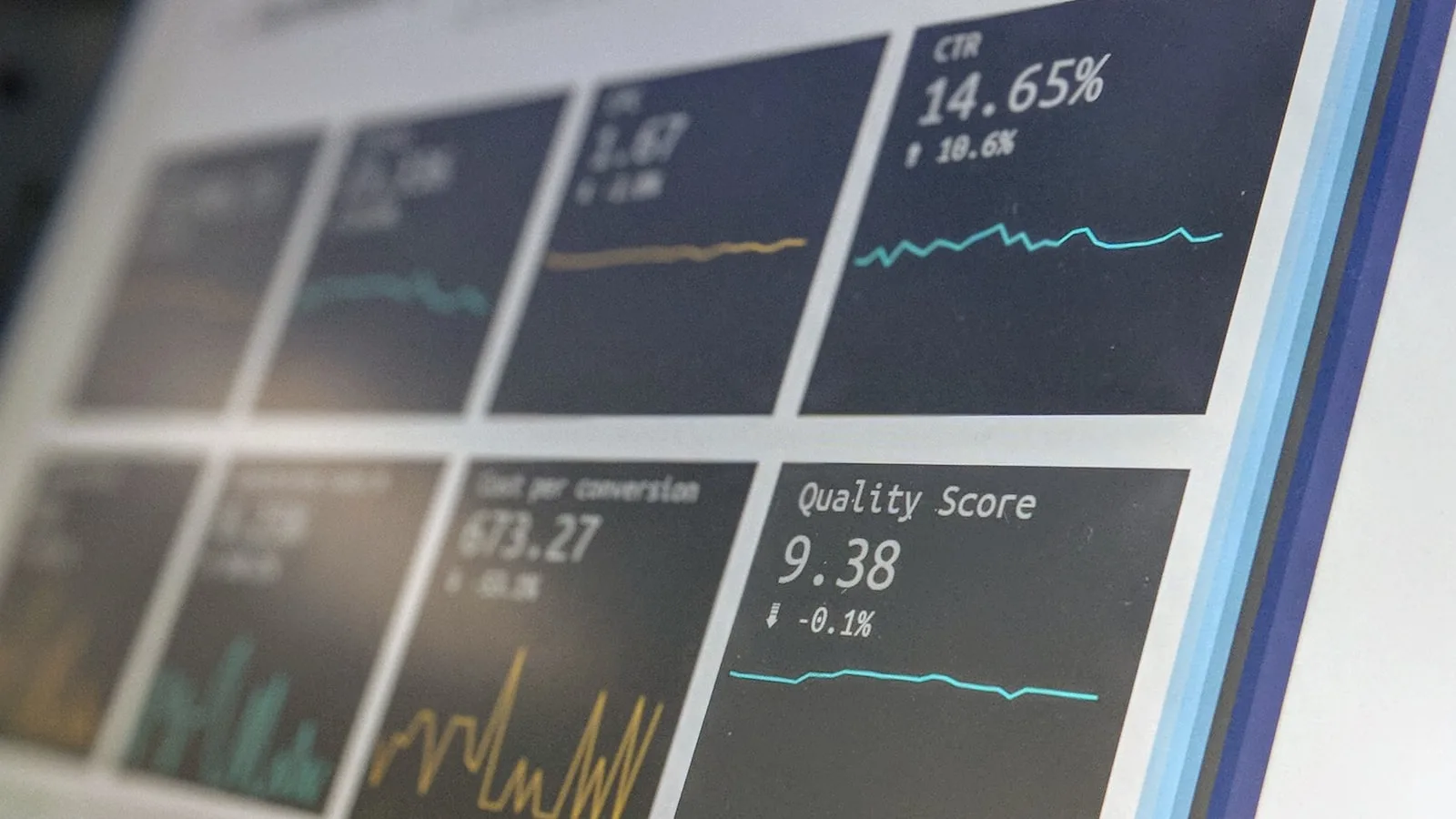
Shipping a model demo is easy. Keeping AI reliable in production is where most teams struggle — because production is about systems, not only accuracy.
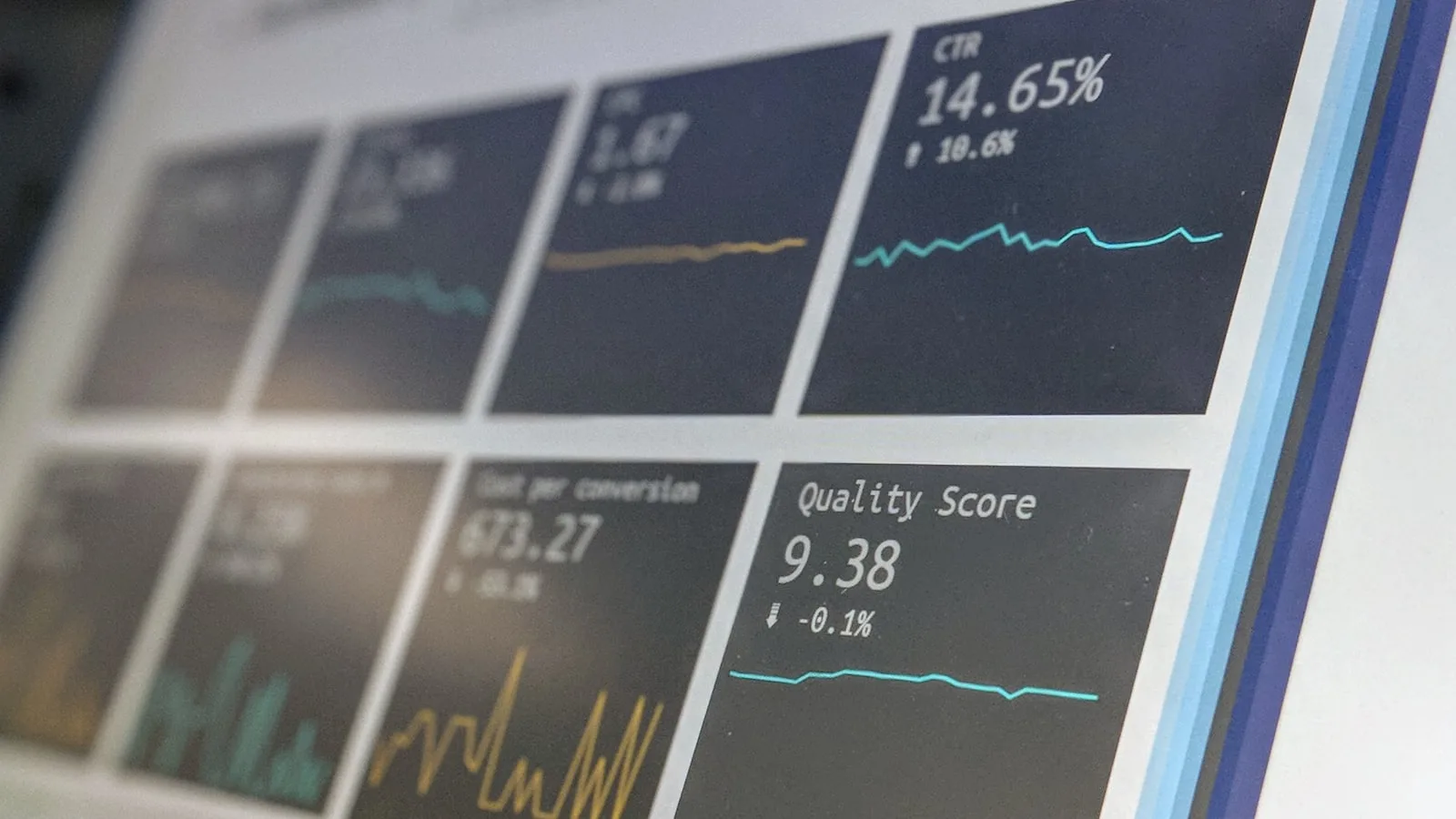
Infrastructure metrics are necessary, but not sufficient. AI needs product-level monitoring:
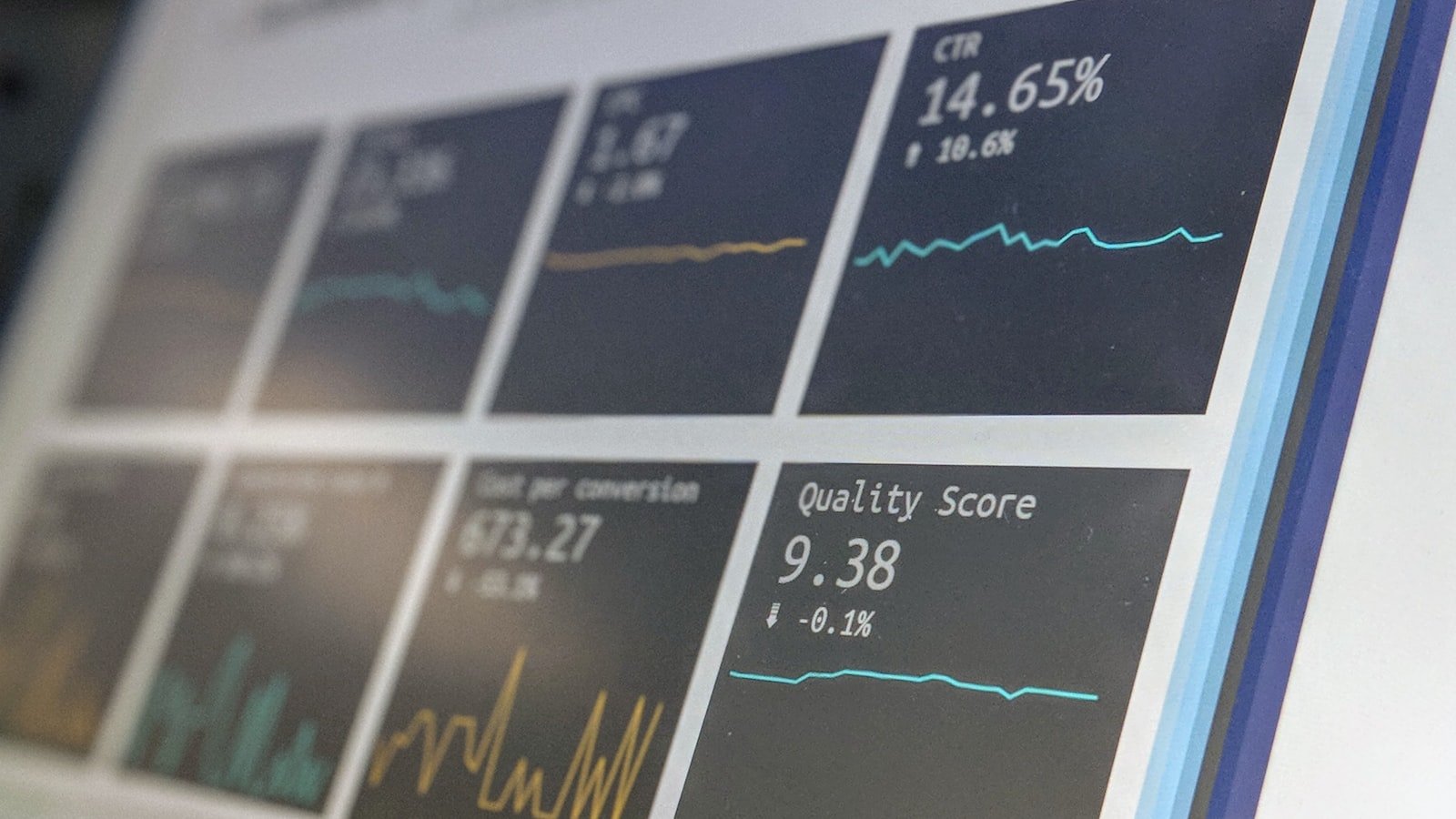
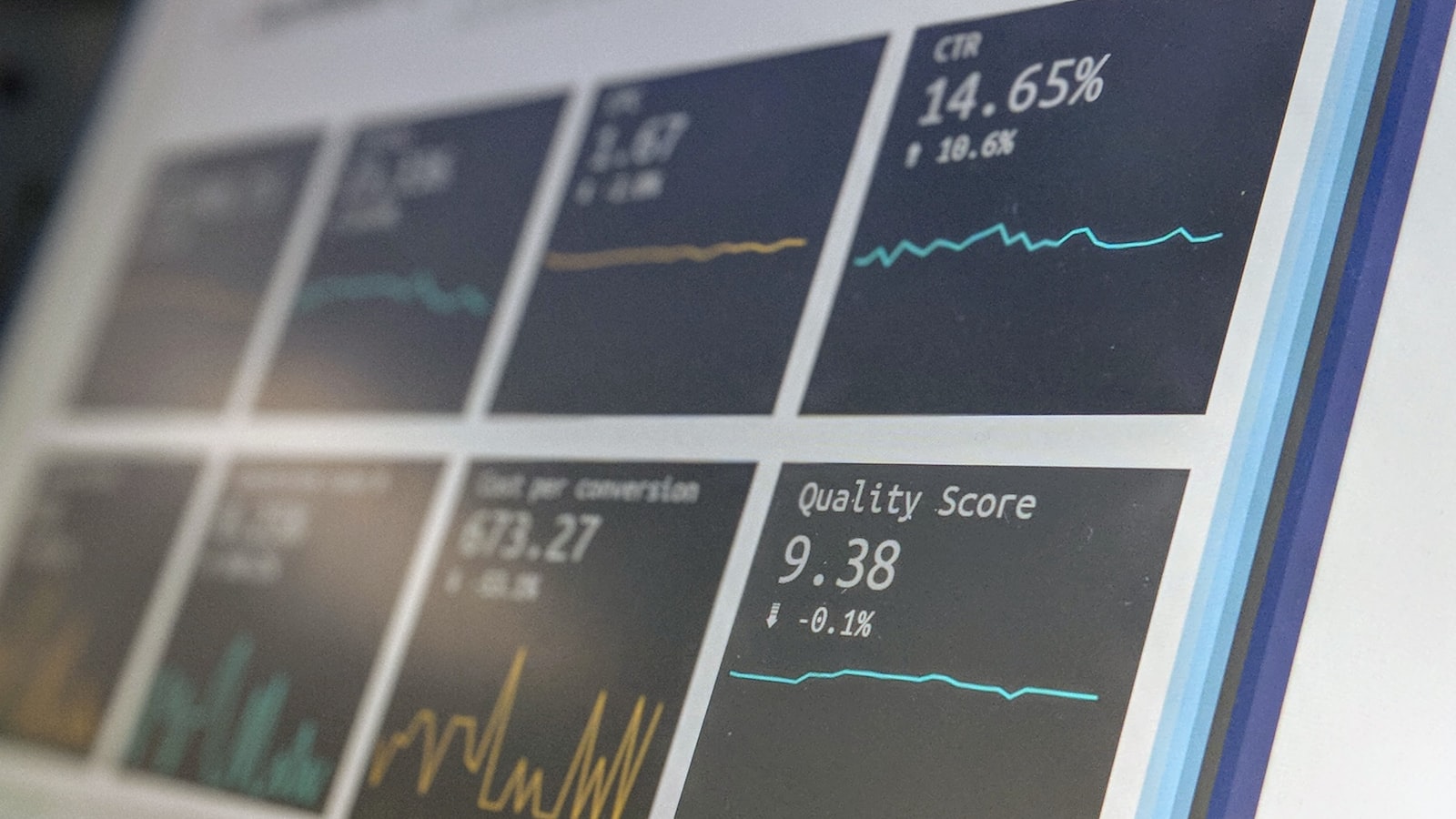
Production AI is a lifecycle: deploy, observe, learn, and improve — continuously.
Lumicore AI EngineeringIf you’re moving from pilots to production, Lumicore can help you build MLOps foundations, monitoring, and deployment patterns that scale across teams and use cases.

Lumicore Sinergi Awan is a technology company specializing in AI solutions, cloud infrastructure, and smart manufacturing systems that drive digital transformation and operational excellence.
Lumicore Sinergi Awan helps organizations implement AI, cloud infrastructure, data analytics, and smart manufacturing solutions. We focus on business outcomes such as higher uptime, faster decision cycles, and stronger operational efficiency.