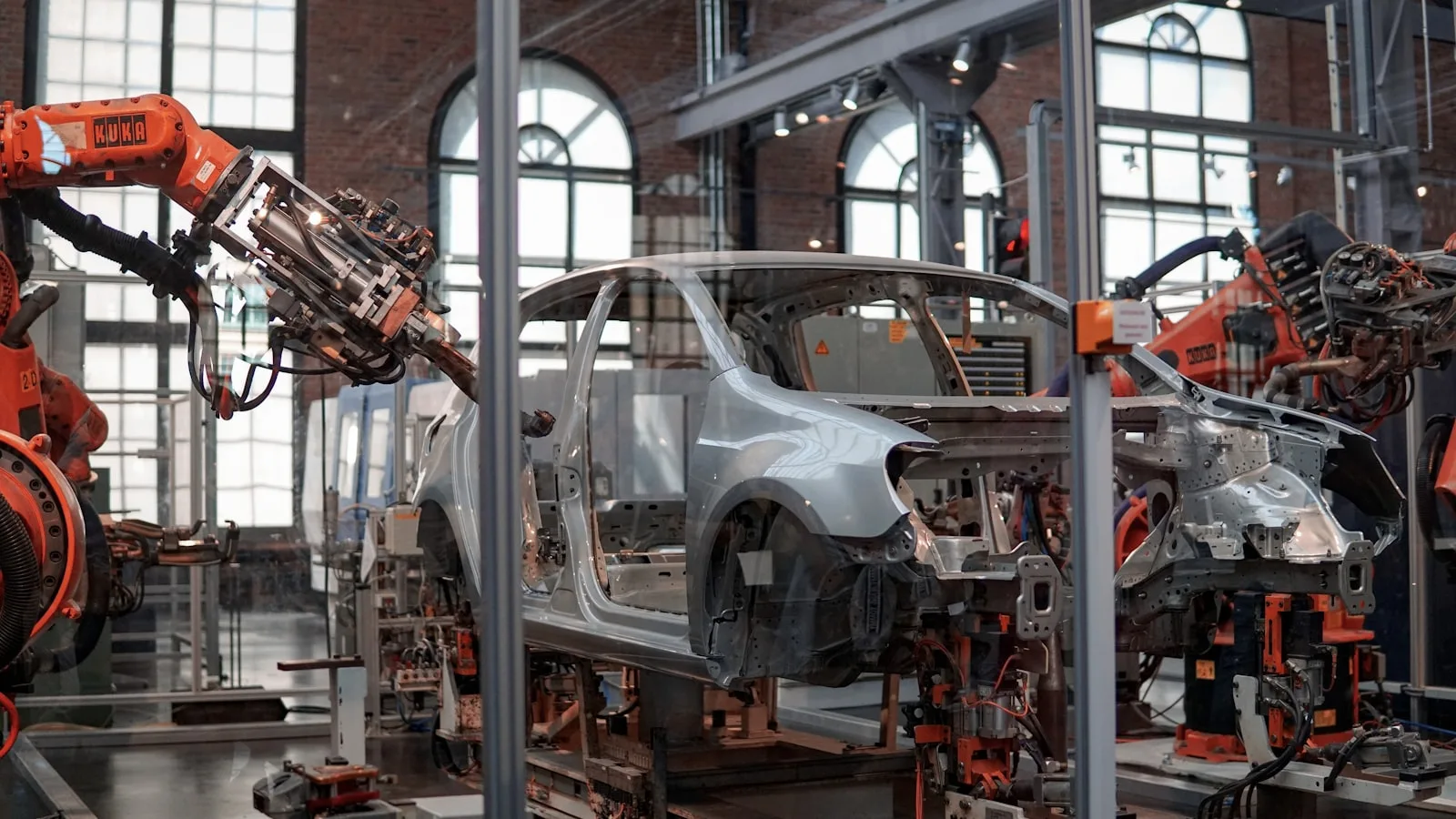
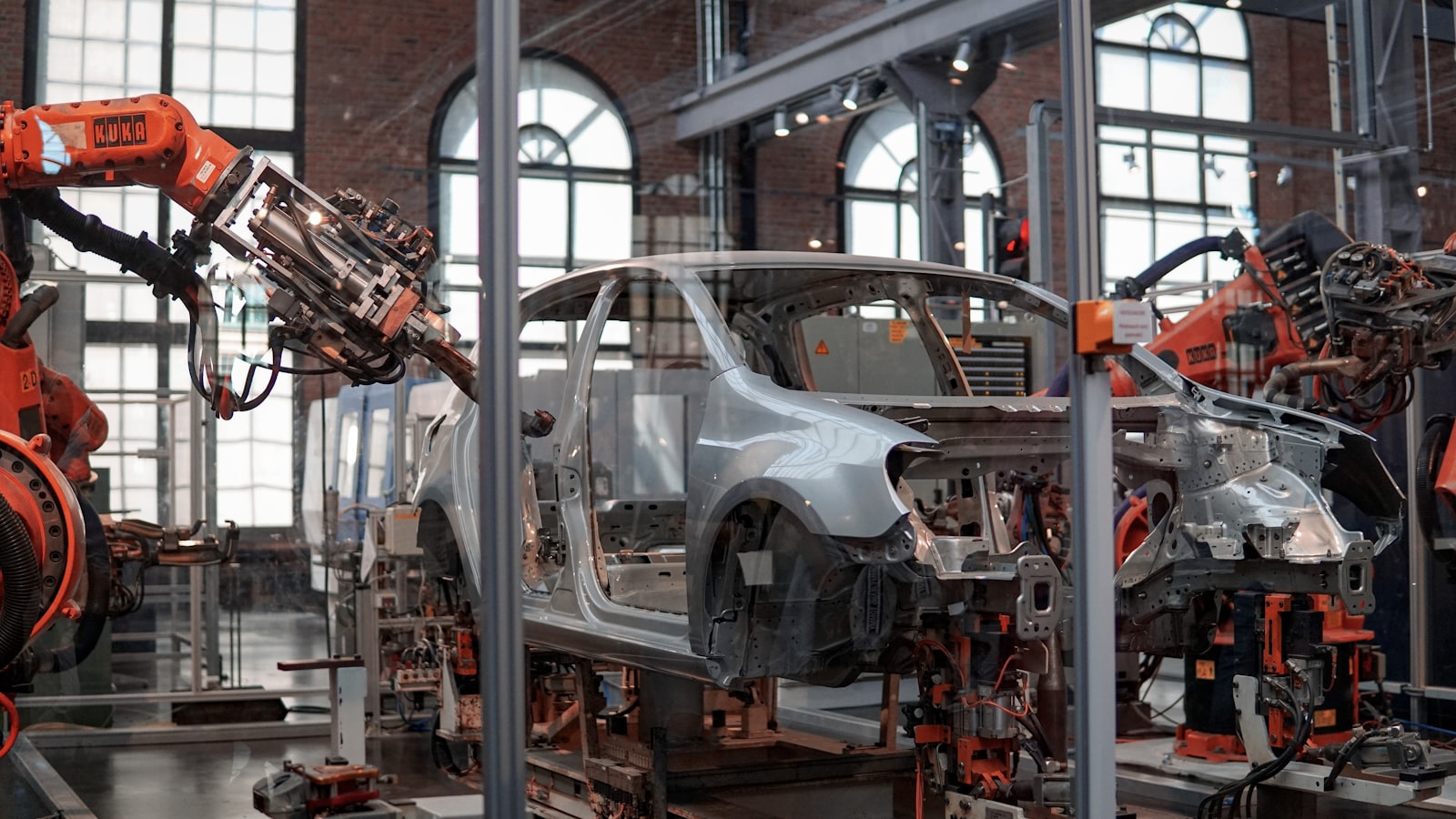
AI is moving manufacturing from reactive to predictive. Instead of fixing problems after downtime happens, teams can forecast failures, catch defects early, and optimize throughput using real-time signals from machines, operators, and supply chain systems.
In most factories, the highest ROI comes from a small set of repeatable use cases:
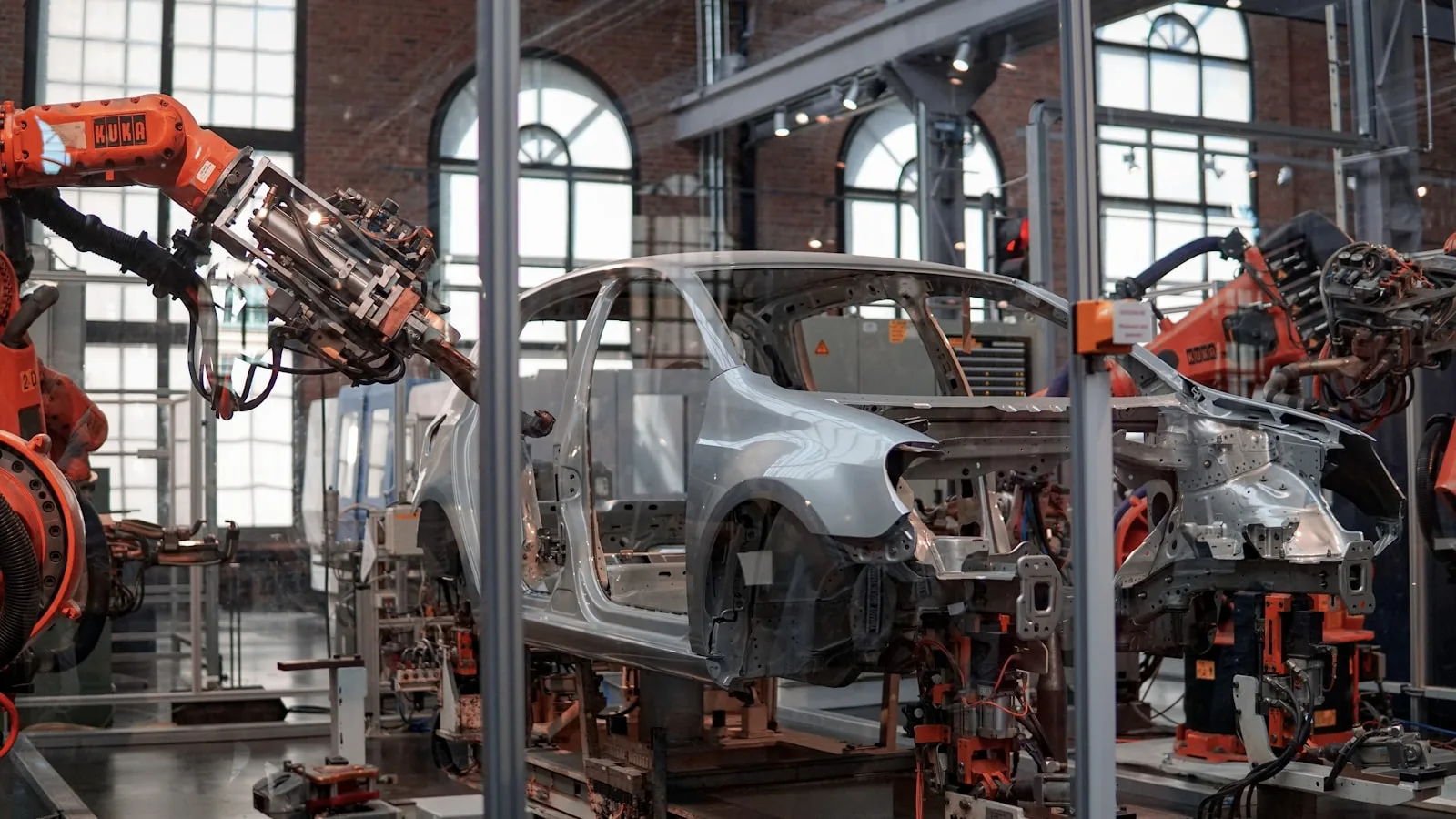
Industry 4.0 starts on the shop floor. We typically integrate PLC/SCADA/MES signals into a modern data platform, then publish data products for OEE, scrap rate, downtime reasons, and line performance. The goal is consistent metrics and traceability for decisions.
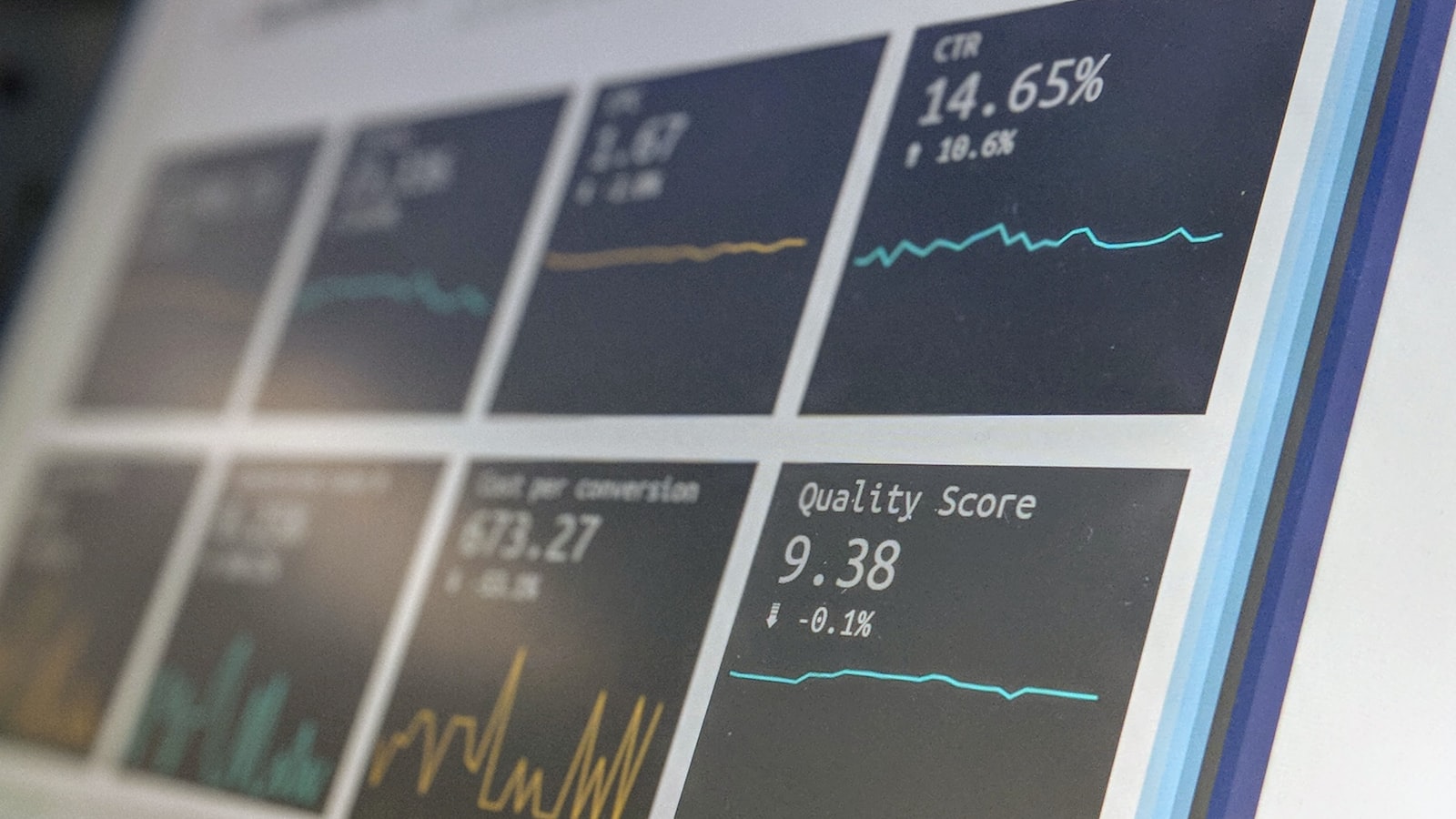
Digital twins connect real-time telemetry with a model of the process, enabling teams to test parameter changes, predict bottlenecks, and estimate the impact of maintenance windows — without disrupting production.
AI succeeds when it’s connected to operations: the model, the workflow, the owner, and the KPI are all clearly defined.
Lumicore EngineeringIf you’re planning an Industry 4.0 initiative, Lumicore can help you design the architecture, integrate plant data, and deliver AI use cases that move the business metrics that matter.

Lumicore Sinergi Awan is a technology company specializing in AI solutions, cloud infrastructure, and smart manufacturing systems that drive digital transformation and operational excellence.
Lumicore Sinergi Awan helps organizations implement AI, cloud infrastructure, data analytics, and smart manufacturing solutions. We focus on business outcomes such as higher uptime, faster decision cycles, and stronger operational efficiency.