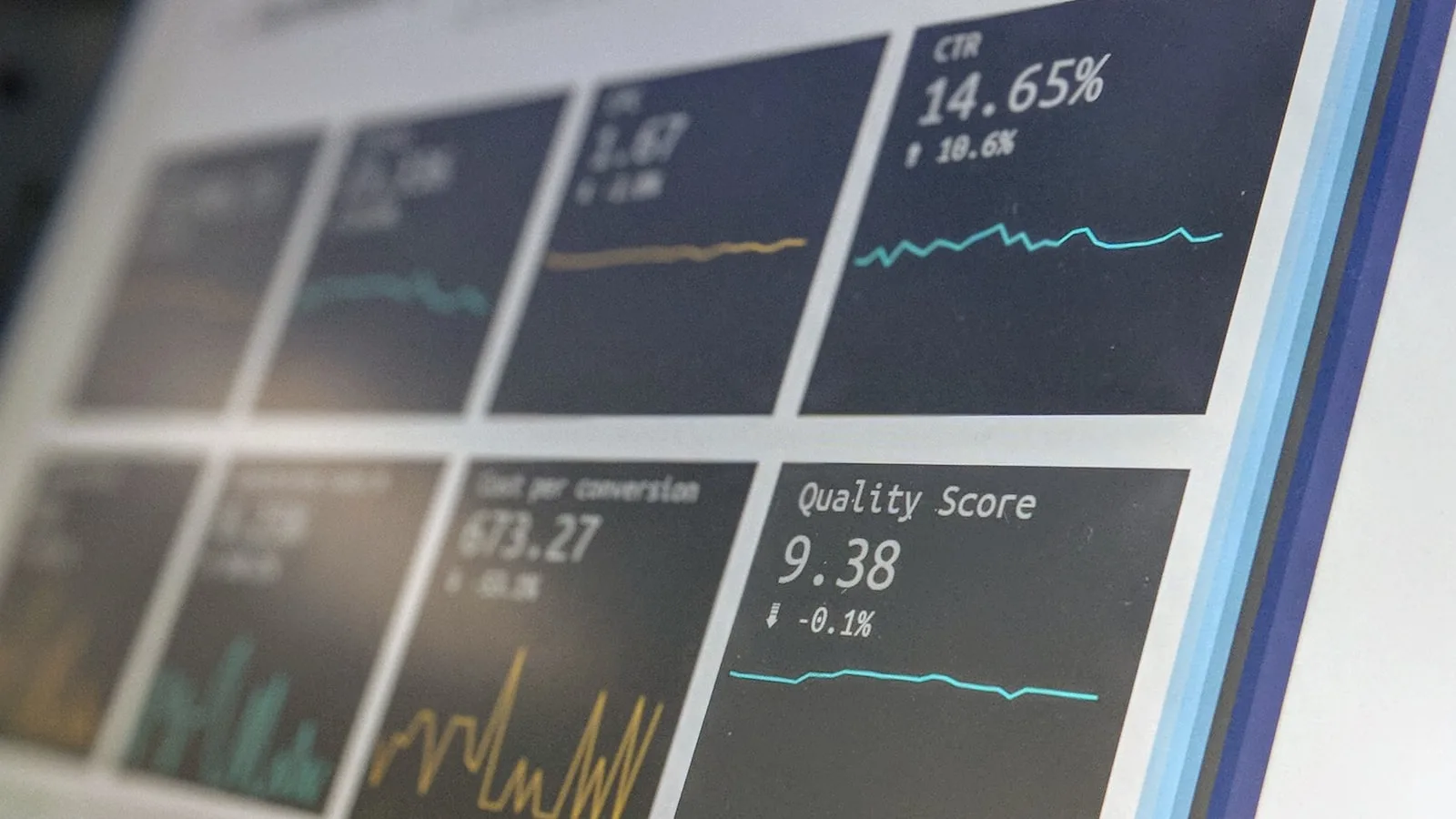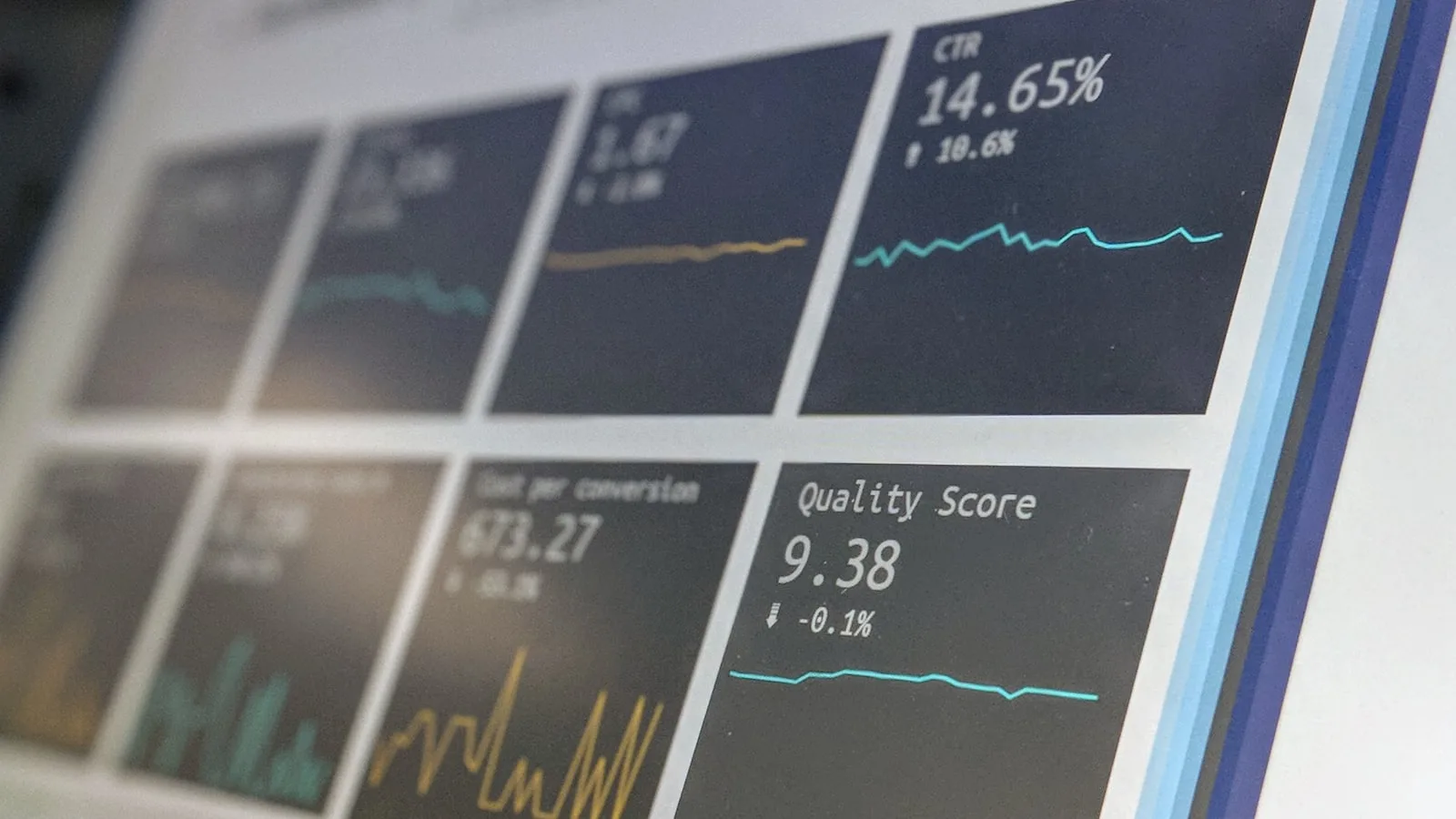
Analytics fails when people don’t trust the numbers. BI succeeds when teams share a common definition of metrics, can trace where data comes from, and can act on insights quickly.
A modern BI program connects data to decisions through three layers:
We recommend starting with a “top 10” set of business metrics. Define owners, data sources, calculation rules, and validation tests. When everyone uses the same definitions, meetings turn from debating numbers into solving problems.
Not every dashboard needs real-time. But certain use cases do: fraud detection, production monitoring, customer support queues, and supply chain exceptions. Pick the few high-impact flows, then design streaming or near-real-time pipelines for them.
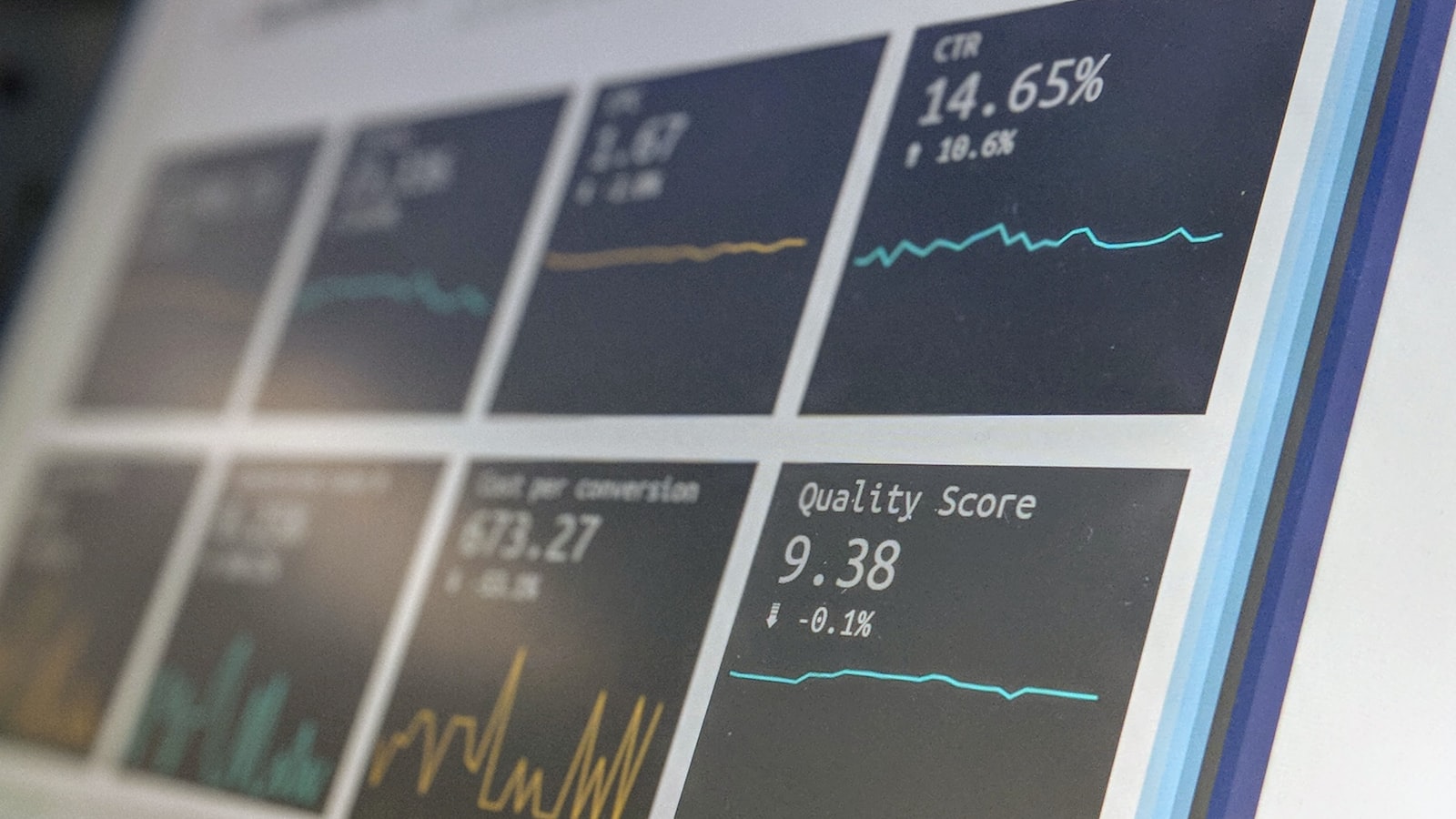
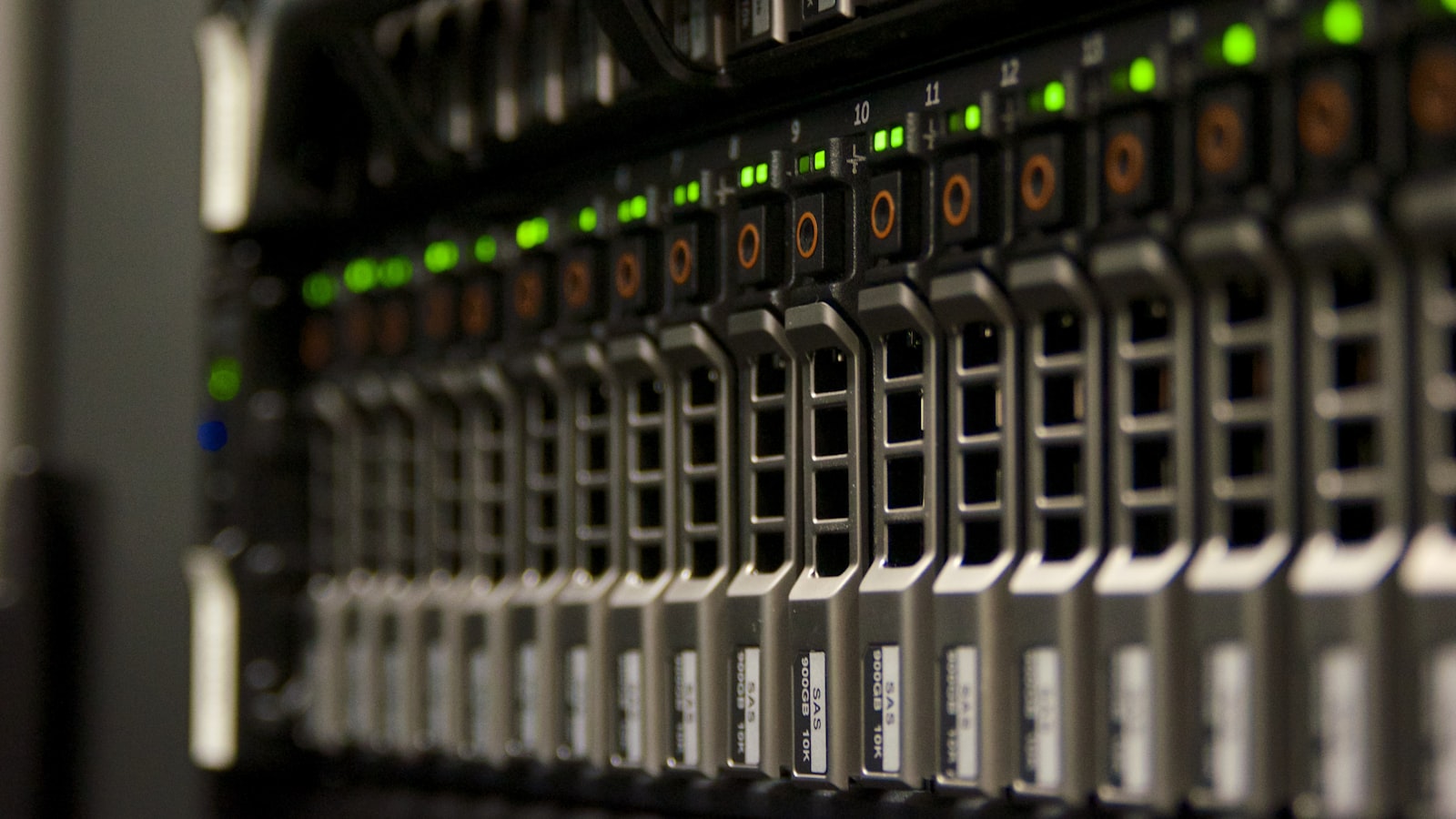

When metrics are owned, tested, and documented, BI becomes a product — not a collection of charts.
Lumicore Data TeamLumicore helps organizations build analytics that executives trust and engineers can operate — from platform architecture to KPI dashboards and automation.

Lumicore Sinergi Awan is a technology company specializing in AI solutions, cloud infrastructure, and smart manufacturing systems that drive digital transformation and operational excellence.
Lumicore Sinergi Awan helps organizations implement AI, cloud infrastructure, data analytics, and smart manufacturing solutions. We focus on business outcomes such as higher uptime, faster decision cycles, and stronger operational efficiency.